What You're Actually Signing Up For
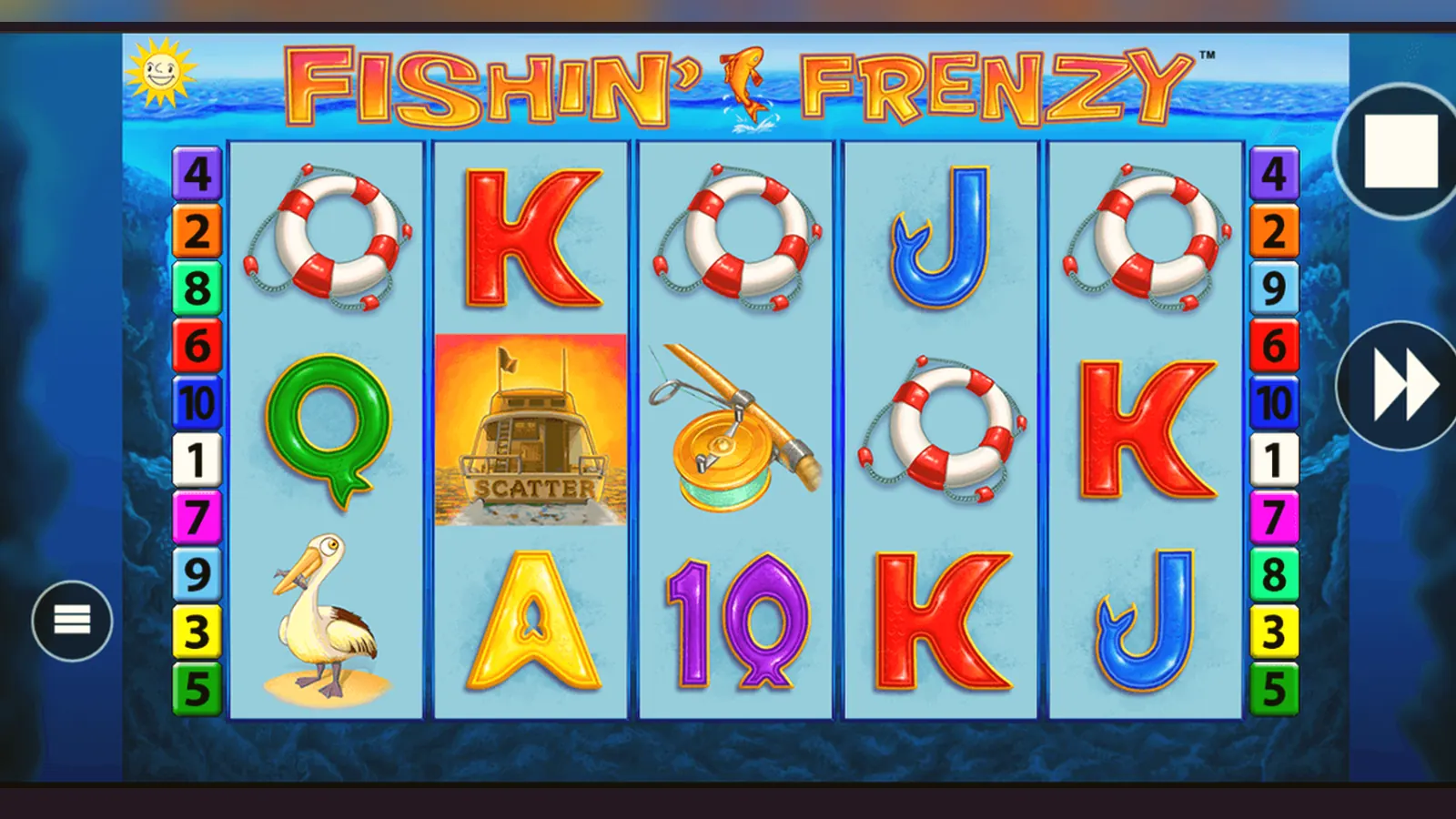
Most players accept a welcome bonus without reading past the headline number. A week later they discover the wagering requirement, the maximum win cap, or the fact that their fifty «free» spins are worth ten pence each. None of this is hidden — it sits in the terms — but the gap between what a bonus looks like in the banner and what it feels like in practice catches people every time.
This page walks through the bonus formats you'll find at UKGC-licensed sites, shows you the arithmetic behind wagering requirements, and explains which conditions hurt most when you're playing a volatile slot like Fishin' Frenzy. All examples are drawn from real offers available to British players in 2026, but terms change weekly — always check the operator's site and confirm the licence number against the UKGC public register before you deposit.
The Four Formats You'll Meet
Operators package bonuses in four main ways. Each shifts the risk and the upside in a different direction, and each suits a different style of play.
Match bonuses give you the largest pot to start with, but they also carry the highest wagering multiplier. Spins-only offers limit your initial stake but let you see how the slot behaves before you commit more. No-wager spins are the cleanest deal if you want anything you win to be yours immediately, and cashback acts as a safety net if your first session goes badly.
What Eight Real Offers Look Like
The table below shows examples of bonus structures advertised to British players in 2026. Brand names, amounts, and conditions are accurate as of October but subject to change. Treat this as a snapshot of the market, not a recommendation — every operator here holds a UKGC remote licence, and you should verify that in the footer before you register.
| Brand | Type | Bonus amount | Spins | Min deposit | Wagering | Max win | |
|---|---|---|---|---|---|---|---|
| Operator A | Match 100% | Up to £100 | 50 × £0.10 | £10 | 35× (B+D) | £500 | → |
| Operator B | Match 200% | Up to £50 | — | £10 | 40× (B+D) | £400 | → |
| Operator C | Spins-only | — | 100 × £0.20 | £20 | 30× winnings | £100 | → |
| Operator D | No-wager spins | — | 20 × £0.10 | £10 | None | Unlimited | → |
| Operator E | Match 100% | Up to £200 | 100 × £0.10 | £20 | 50× (B only) | £1,000 | → |
| Operator F | Cashback 10% | Up to £50 | — | None | 1× cashback | Unlimited | → |
| Operator G | Spins-only | — | 50 × £0.50 | £25 | 35× winnings | £250 | → |
| Operator H | Match 150% | Up to £75 | 30 × £0.10 | £10 | 40× (B+D) | £300 | → |
Which Formats Suit a Volatile Slot
Fishin' Frenzy sits in the medium-to-high volatility range. That means long dry spells punctuated by larger wins, especially when you trigger the free-spins feature. If you're using a bonus, that volatility profile changes how much runway you have to clear wagering requirements.
- Match bonuses give you a deeper bankroll to survive losing streaks, but the wagering multiplier climbs quickly. A 100% match on £50 with 40× (B+D) wagering means you need to cycle £4,000 through the slot before you can withdraw. At £1 per spin under the UKGC stake cap, that's four thousand spins — and volatility makes the outcome unpredictable.
- Spins-only offers let you test the game at a fixed stake without risking your own money first. If you win £20 from 100 spins and face 30× wagering on that £20, you need to cycle £600. That's more achievable, but you start with a smaller pot and the max win cap often sits lower.
- No-wager spins are the safest route if you want simplicity. Twenty spins at £0.10 gives you £2 in action, and whatever you win is yours. The trade-off is obvious: fewer spins, lower stakes, and no bonus funds to extend your session.
- Cashback works best as a second-layer safety net after you've played through your deposit. Some operators return 10% of net losses as real cash with no wagering, others return it as bonus funds that you must wager again. The difference matters — always check which version you're getting.
For a volatile slot, the format that gives you the most attempts at triggering the feature is usually the match bonus, but only if you can stomach the wagering requirement. If you prefer a known outcome, no-wager spins or cashback in real cash keeps things straightforward.
The Arithmetic That Nobody Explains
Wagering requirements trip up more players than any other condition because the multiplication isn't intuitive until you write it out. Here's how it works in practice.
- You deposit £50 and claim a 100% match bonus. Your account now shows £100 in bonus funds.
- The terms state 40× wagering on bonus plus deposit — that's 40 × (£50 + £50) = £4,000.
- Every real-money spin counts toward that requirement. A £1 spin at the £5 UKGC cap contributes £1 to your wagering progress. You need four thousand such spins to clear the requirement.
- If you're playing at £0.50 per spin to make your balance last longer, each spin contributes £0.50, so you need eight thousand spins instead.
- Your balance fluctuates as you play. If you hit a big win and your balance climbs to £200, you're still required to complete the full £4,000 in wagered action before any of it becomes withdrawable.
- Once you meet the wagering requirement, the operator converts your bonus balance to real cash, but only up to the maximum win cap. If the cap is £500 and you've accumulated £700, the extra £200 disappears.
The key thing to understand is that wagering measures total action, not net wins or losses. You could finish the four thousand spins with more or less than you started with, but the requirement counts every spin at face value.
The One Condition That Bites Hardest in Each Format
Every bonus format carries one condition that causes the most frustration when players don't spot it in advance.
- Match bonuses: the maximum win cap. You clear £4,000 in wagering, your balance sits at £1,200, and the operator converts only £500 to withdrawable cash because that's the cap in the terms. The rest vanishes. This hurts most on high-volatility slots where one big feature win can push your balance well above the cap.
- Spins-only offers: the expiry window. You receive 100 spins, but they expire in 24 hours and you can only use ten per day. If you miss a day, those spins are gone. Some operators also apply a separate expiry to the winnings from those spins — win £30 on day one, and you have seven days to clear the wagering before that £30 becomes void.
- No-wager spins: the stake value. Twenty spins at £0.10 means you're playing with £2 total. If you win £15, that's yours immediately, but the low stake and small number of spins means you're unlikely to trigger a big feature. The trade-off for zero wagering is minimal starting action.
- Cashback: the timing and the type. Some cashback calculates net losses over a week but pays out as bonus funds with 30× wagering, which turns a safety net into another cycle of requirements. Others pay in real cash but cap the amount — 10% of losses up to £50 means you receive £5 if you lose £500, not £50.
Three Myths That Cost Players Money
Bonus myths circulate because the terms are dense and the arithmetic isn't obvious. Here are the three that do the most damage.
- «Wagering requirements are a scam designed to make withdrawal impossible.» They're not a scam — they're a cost control. Operators give you extra funds in exchange for committing to a minimum level of play. The requirement is high, and volatility makes completion uncertain, but it's disclosed in the terms and it's the same deal for everyone. If you don't want to wager, don't take the bonus.
- «If I win big early, I can just withdraw and ignore the wagering.» No. Bonus funds and any winnings generated while the bonus is active remain locked until you complete the wagering requirement or forfeit the bonus. Most operators let you cancel the bonus and withdraw your original deposit, but you lose everything you won while the bonus was in play.
- «Higher wagering multipliers mean the operator is crooked.» The wagering multiplier reflects the size of the bonus and the operator's cost structure. A 50× requirement on a large match bonus can be harder to clear than a 30× requirement on a small spins-only offer, but neither number alone tells you whether the deal is fair. Compare the total wagering amount, the max win cap, and the expiry window — those three together show you the real shape of the offer.
The last myth to bury: «There's a strategy to beat the wagering requirement.» There isn't. The game uses a certified RNG, and wagering measures total action, not outcomes. You can manage your stake to make your balance last longer, but you can't alter the house edge or the volatility curve.
What to Check Before You Claim Anything
The gap between a bonus that works for you and one that doesn't comes down to five checks. Do these before you deposit.
- Confirm the operator holds a current UKGC remote licence. The licence number sits in the footer — match it against the public register at gamblingcommission.gov.uk. Unlicensed sites are illegal to serve British players, and you have no recourse if something goes wrong.
- Read the full bonus terms, not the marketing copy. The terms document tells you the wagering multiplier, whether it applies to deposit plus bonus or bonus only, the maximum win cap, the expiry window, and any game restrictions. If Fishin' Frenzy is excluded or contributes at a lower rate, you'll find that information here.
- Check the payment methods. Credit cards have been banned for gambling in the UK since 2020, so you'll deposit via debit card, PayPal, Apple Pay, Open Banking, or paysafecard. Verify that the method you plan to use for deposits also works for withdrawals — some e-wallets process payouts in hours, while debit card withdrawals take one to three working days.
- Understand the KYC process. Age and identity checks happen before you can deposit, and document verification is required before your first withdrawal. If you're claiming a bonus, factor in the 24 to 48 hours it takes the operator to review your documents — that delay can eat into your bonus expiry window.
- Set deposit limits during registration. UKGC operators must offer deposit limits, and affordability checks begin at £150 net deposits per month using credit-reference data at the first stage. Setting your own limit from the start helps you stay in control, and it's faster than waiting for the operator to impose one.
Why the First Withdrawal Takes Longest
If you clear a bonus and request a withdrawal, expect the first payout to take longer than the advertised processing time. This isn't an attempt to delay your money — it's the KYC verification process that every UKGC operator must complete before releasing funds.
The operator will ask for proof of identity (passport or driving licence), proof of address (utility bill or bank statement dated within the last three months), and sometimes proof of payment method (a screenshot or photo of your debit card with the middle digits obscured). Document review takes 24 to 48 hours on average, longer if the documents are unclear or if the compliance team is backlogged.
Once your documents are approved, withdrawals to e-wallets like PayPal process in a few hours to 24 hours, Faster Payments to your bank account arrive the same day or within two working days, and debit card withdrawals take one to three working days. Subsequent withdrawals are faster because your account is already verified.
One other factor that slows the first withdrawal: affordability checks. If your deposits or withdrawal requests cross certain thresholds, the operator may pause the payout and ask for additional documents such as bank statements or payslips. This is a regulatory requirement, not an optional process, and it applies to all UKGC-licensed sites. The threshold starts low — £150 net deposits in a month triggers the first level of checks — so be ready to provide evidence of income if asked.
If you've registered with GAMSTOP, the national self-exclusion scheme, you won't be able to open an account or deposit at any UKGC-licensed operator for the duration of your exclusion period (six months, one year, or five years). GAMSTOP is a one-registration system — it blocks every licensed site at once. If you need support, BeGambleAware offers free, confidential help at begambleaware.org.
FAQ
Can I use a bonus if I'm playing at the £2 stake cap for 18–24 year olds?
Yes. The £2 stake cap applies whether you're using bonus funds or real money, and it doesn't prevent you from claiming a bonus. The lower cap means you'll cycle through wagering requirements more slowly, but the mathematics remain the same — if you need to wager £2,000 and you're betting £0.50 per spin, you need four thousand spins.
Do wagering requirements count spins that lose, or only spins that win?
Every spin counts toward your wagering requirement at its face value, regardless of the outcome. A £1 spin contributes £1 to your progress whether it wins, loses, or triggers a feature. Wagering measures total action, not net profit or loss.
What happens if I don't complete the wagering requirement before the bonus expires?
The bonus funds and any winnings generated while the bonus was active are forfeited. Most operators let you cancel the bonus voluntarily and withdraw your original deposit, but once the expiry window closes, everything tied to that bonus disappears.
Are gambling winnings taxed in the UK?
No. Gambling winnings are tax-free for players. Operators pay Remote Gaming Duty to HMRC — the rate was raised to 40% in April 2026 — but you don't pay tax on what you win, whether it's £10 or £10,000.
Can I withdraw bonus funds before completing the wagering requirement?
Not directly. Bonus funds remain locked until you meet the wagering requirement or cancel the bonus. If you cancel, you lose the bonus and any winnings generated from it, but you can withdraw your original deposit (minus any amount you've already played through).