What Makes This Blueprint Classic Worth Your Time in 2026
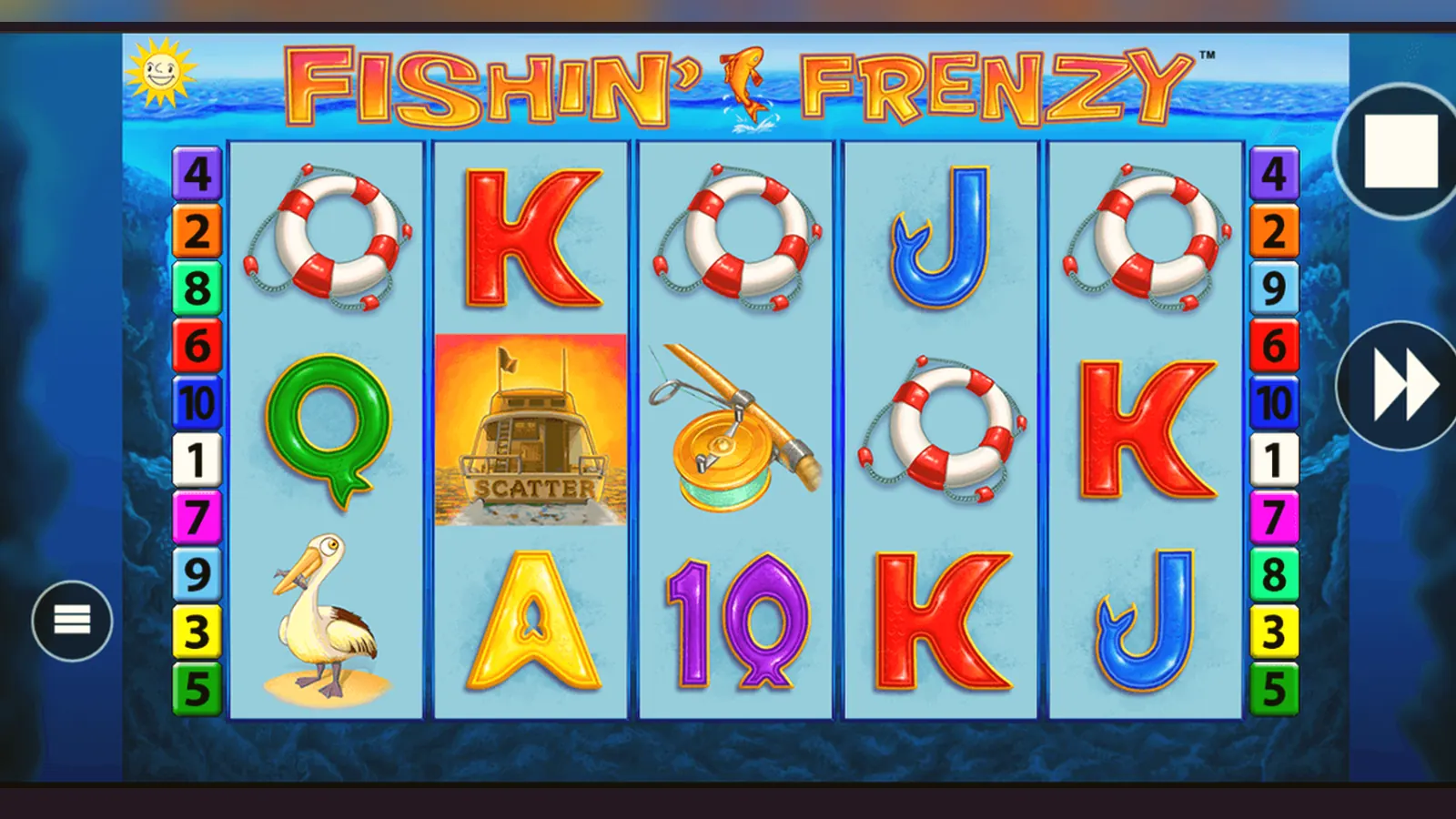
You load the game and see cartoon fish bobbing across five reels, a pelican perched on the right, bright blue water underneath. It's cheerful, slow, and instantly recognisable—Fishin' Frenzy has been around since 2014 and remains one of the most-played slots on UKGC-licensed sites. The reason isn't complexity: it's predictability. Medium volatility, a simple free-spins round that collects fish symbols, and bet limits that fit the local rules without drama.
In the UK, Blueprint Gaming's original runs under the £5 stake cap for players over 25, and £2 for those aged 18–24. The game doesn't fight the UKGC framework—it was built before the caps came in, but the maths and pace suit cautious play. If you're chasing 20,000× potential or cascading mechanics, look elsewhere. If you want a session that won't burn through £50 in three minutes, and a bonus round you can actually trigger, this is the archetype.
The Numbers Behind a Typical Session
RTP sits at 96.12% across all UKGC operators, which means the house edge is 3.88%. Over 1,000 spins at £1 each, you'd statistically lose £38.80—but variance means you could finish £200 up or £150 down. Medium volatility smooths the swings: you'll see smaller wins more often than on a high-variance slot, but the top prize of 5,000× your stake (£5,000 on a £1 spin, £25,000 at the £5 cap) is rare.
The free-spins round triggers when three scattered fishermen land anywhere. You get ten spins, and every fish symbol that appears is collected and paid at the end. Hit four scatters and you get twenty spins; five scatters award twenty-five. The collection mechanic means dead spins in the bonus are less frustrating—you're banking symbols rather than hoping every spin pays. The trade-off: big wins need the reels packed with fish, which doesn't happen every trigger.
Affordability checks from £150 net deposits a month mean some players will hit soft checks using Open Banking data before they've staked heavily. If you're playing at £5 a spin, £150 buys thirty spins. The game's pace—roughly 6–8 spins per minute if you're not rushing—gives you time to notice when the session turns against you, which matters more than RTP over a short stretch.
Scores That Reflect Real UK Play
The maths score reflects third-party certification and a house edge that's competitive across UKGC slots. The bonus round loses a point because the collect mechanic can feel slow if fish symbols are sparse. Pace scores high because the game respects the stake caps without forcing you to hunt for a bet slider—Blueprint set the max at £5 before the law changed, and it still works. Mobile gets eight because the game loads fast and doesn't demand a download, but the small reel symbols can feel cramped on older phones.
Design is the weak spot: the cartoon style hasn't aged well, and the pelican animation repeats every win. It's clean, but players who started with Gonzo's Quest or Starburst often find it bland. Bonus-friendliness sits at seven because 96.12% RTP helps grind wager, but some UKGC operators cap free-bet max wins at £100 or exclude the slot entirely from the bonus. Check the terms before you claim. Value for a small bankroll is the standout—£20 at £0.20 a spin gives you 100 base-game spins, and you'll likely trigger the bonus once or twice in that stretch.
How the UKGC Framework Shapes Your Session
Every site serving UK players holds a remote licence from the Gambling Commission, and the licence number sits in the footer. Match it against the UKGC public register to confirm the operator is legal. Fishin' Frenzy itself is certified, but the operator's systems handle stake caps, deposit limits, and GAMSTOP checks. If you're 18–24, the game locks at £2 per spin the moment you log in. At 25, the cap lifts to £5. There's no override—the operator's platform reads your DOB from the KYC documents you submitted at sign-up.
Affordability checks trigger at £150 net deposits in a calendar month (deposits minus withdrawals). Stage one is automated: the operator runs a soft credit check through TransUnion or Equifax, looking at your income band and existing credit. If the data suggests you can afford the deposits, play continues. If not, or if you hit £1,000–£2,000 net deposits without a soft check clearing you, the site asks for payslips or bank statements. This happens mid-session sometimes, which can feel intrusive, but it's not the game—it's the law.
GAMSTOP is the UK-wide self-exclusion scheme. One registration blocks every UKGC site for six months, one year, or five years. If you've excluded, you won't reach the game at all—the operator's login will reject your details. For help outside exclusion, BeGambleAware is the main resource, funded by the industry but independent. None of this changes Fishin' Frenzy's RTP or mechanics, but it does mean your session is tracked, limited, and sometimes paused by the operator's compliance systems.
Pros, Cons, and Who Should Skip It
- Medium volatility and 96.12% RTP suit players who want sessions to last without chasing life-changing wins
- £0.10 minimum and slow pace fit cautious bankrolls; £20 can genuinely stretch to an hour at low stakes
- Free-spins round triggers often enough (roughly 1 in 100–150 spins) and the collect mechanic feels interactive
- Mobile play works in any browser without an app; the HTML5 build is stable and loads quickly
- UKGC stake caps are baked in—no confusion about whether you're breaking rules or overspending by accident
- Design is dated: 2014 cartoon graphics and repetitive sound won't appeal if you're used to modern slots
- Max win of 5,000× is modest—high-rollers and jackpot chasers will find the ceiling frustrating
- The bonus round can deliver empty spins if fish symbols don't land; the collect mechanic doesn't guarantee a big payout
- Some UKGC operators exclude it from bonuses or cap free-bet wins at £100, which reduces value if you're playing with a welcome offer
- Affordability checks and KYC delays (24–48 hours for document review) can interrupt your first session before you've even spun
Skip Fishin' Frenzy if you're chasing Megaways mechanics, progressive jackpots, or anything over 10,000× potential. The game is deliberately simple, and the maths favour gradual losses over long streaks. It's also not the right choice if you're impatient with UKGC compliance—KYC and affordability checks are slower here than on offshore sites, and there's no workaround.
It suits you if you're new to slots and want to understand volatility without losing £100 in ten minutes, or if you're a casual player who values predictability over excitement. The free-spins round is easy to follow, the RTP is fair, and the game respects the stake caps without feeling like it's punishing you for playing legally.
Alternatives, Player Opinions, and a Starting Plan
| Game | RTP | Volatility | Max Win | When to Pick It | |
|---|---|---|---|---|---|
| Starburst (NetEnt) | 96.09% | Low | 500× | Even smoother variance, better for clearing low-wager bonuses, but max win is tiny | → |
| Gonzo's Quest (NetEnt) | 95.97% | Medium | 2,500× | Similar volatility, better design, but lower RTP and fewer UKGC operators offer it | → |
| Rainbow Riches (Barcrest) | 95% | Medium | 500× | Another UK classic, triggers bonuses more often, but RTP is a full point lower | → |
| Book of Dead (Play'n GO) | 96.21% | High | 5,000× | Higher RTP, same max win, but high volatility means longer losing streaks | → |
Starburst is the low-risk alternative: volatility is lower, the game moves faster, and it's included in almost every UKGC welcome bonus. The trade-off is a 500× max win, which caps your upside. Gonzo's Quest has better graphics and a similar feel, but the RTP is lower and fewer UK operators carry it in 2026. Rainbow Riches triggers bonuses more frequently, but the RTP of 95% makes it worse value over a long session. Book of Dead offers slightly higher RTP and the same max win, but high volatility means you'll see more dead spins between bonus rounds—budget accordingly.
Player opinions are mixed but consistent. One regular on a UKGC forum called it «the game that never surprises you—boring, but I always know where I stand». Another noted that the free-spins round «pays something 80% of the time, but getting over 50× your stake needs four or five fish on every spin, and that's rare». A third player, aged 22, complained that the £2 cap «makes the bonus feel pointless—you can't win enough to feel excited», while a 30-year-old defended it: «I prefer the cap; I'd have lost more without it». A fourth opinion: «It's the slot I play when I've got £20 and two hours to kill. Not thrilling, but it lasts». These are subjective takes, not evidence of payout rates—RTP is certified at 96.12% regardless of anecdotes.
First-session plan for a cautious player: bring £30.00. Set your stake at £0.30 per spin if you're over 25, or £0.20 if you're 18–24 and the cap applies. That gives you 100–150 spins, enough to trigger the bonus once or twice. Stop if you double your money (walk away at £60.00) or lose half (stop at £15.00). The goal isn't to chase the 5,000× max win—it's to learn how the variance feels and whether the pace suits you. Use demo mode first if the operator offers it to logged-in accounts; many UKGC sites gate free play behind age verification.
FAQ
Why does my stake lock at £2 when other players can bet £5?
If you're aged 18–24, UKGC rules cap your stake at £2.00 per spin on all slots. The operator's system reads your date of birth from the documents you submitted during KYC and applies the limit automatically. At 25, the cap lifts to £5.00. There's no override—this is law, not the casino's choice. Fishin' Frenzy's minimum is £0.10, so you can still play, but the bonus round feels less rewarding at lower stakes because the max win scales with your bet.
Can I play Fishin' Frenzy with a welcome bonus, or is it excluded?
It depends on the operator. Some UKGC sites include Fishin' Frenzy in bonus play, others exclude it, and a few cap your max win at £100 if you're using free bets. Check the operator's bonus terms before you claim—the game's 96.12% RTP and medium volatility make it decent for clearing wager, but the exclusions vary. If it's excluded, you can still play with your own cash; the bonus restrictions don't affect real-money sessions.
What happens if I hit the affordability check mid-session?
At £150 net deposits in a month, the operator runs a soft credit check using Open Banking or credit-reference data. If the check clears, you keep playing. If not, or if you hit higher thresholds (typically £1,000–£2,000), the site pauses deposits until you upload payslips or bank statements. This can happen mid-session, which feels disruptive, but it's a UKGC requirement. The game itself doesn't pause—you can finish your balance—but you won't be able to top up until the check completes, which takes one to three working days.